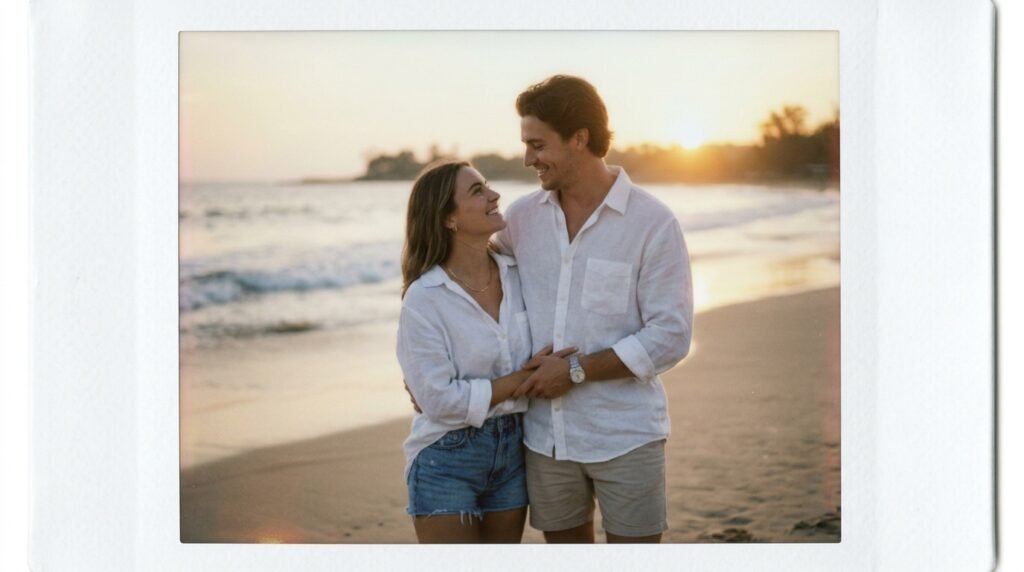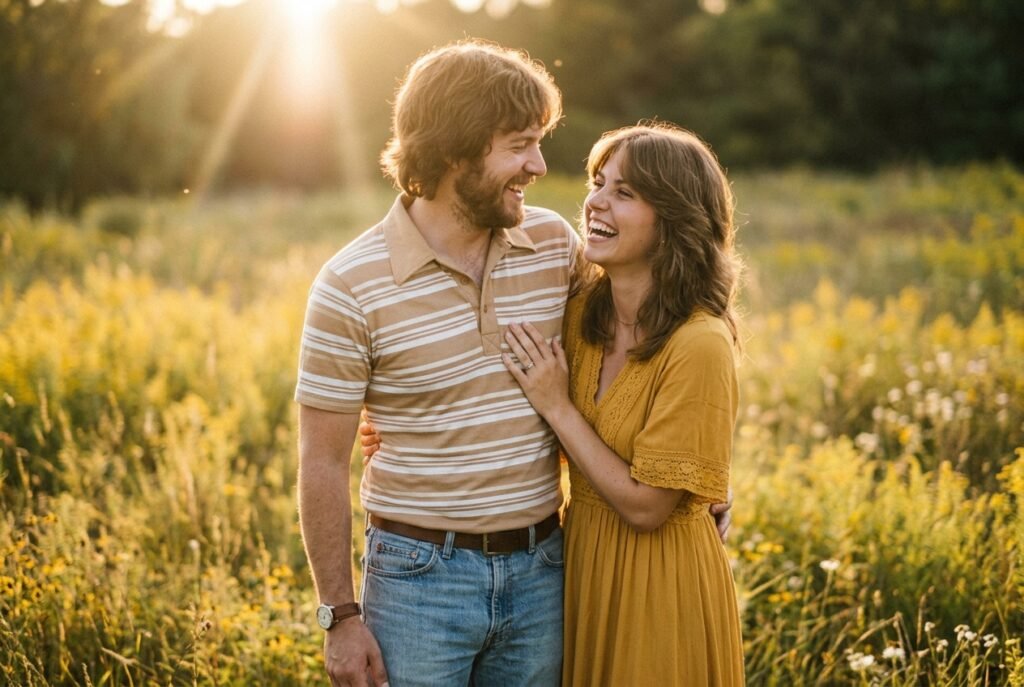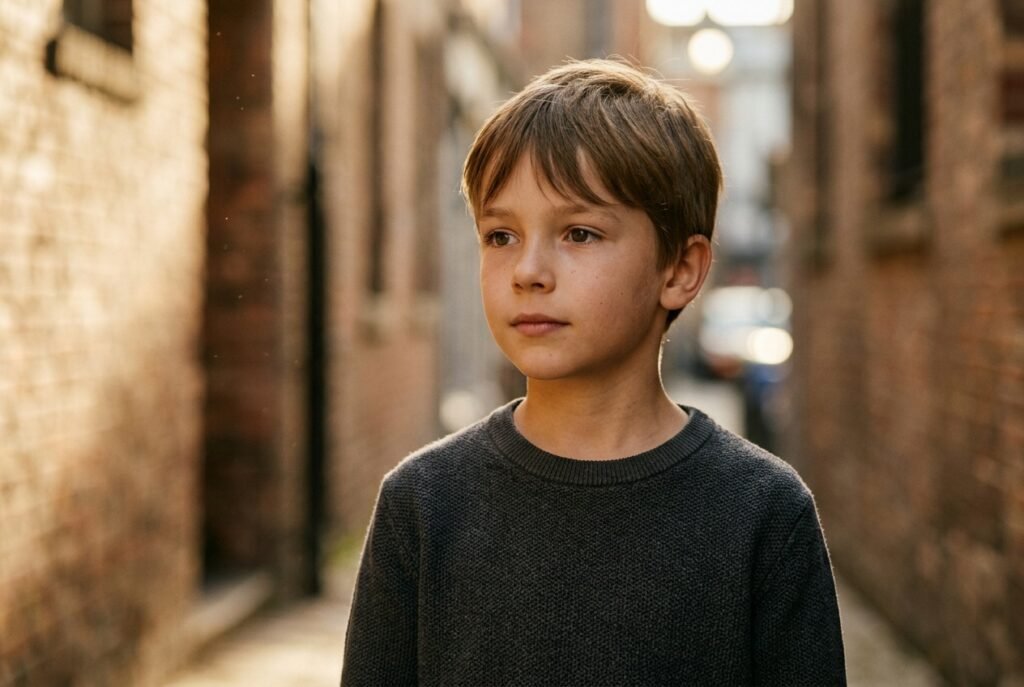
Starting My Journey with AI Image Generation
I’ve spent months testing every gemini ai photo prompt for boy I could find. Using the Gemini Nano Banana model on my phone made this experiment feel remarkably straightforward and efficient.
I used to spend hours editing photos manually. Now, I just input a few descriptive lines and let the model interpret the mood, lighting, and textures I’m looking for.
It’s fascinating to see how a simple sentence changes the entire output. I wanted to share my process so you can get the same clean, realistic results I see in my daily work.
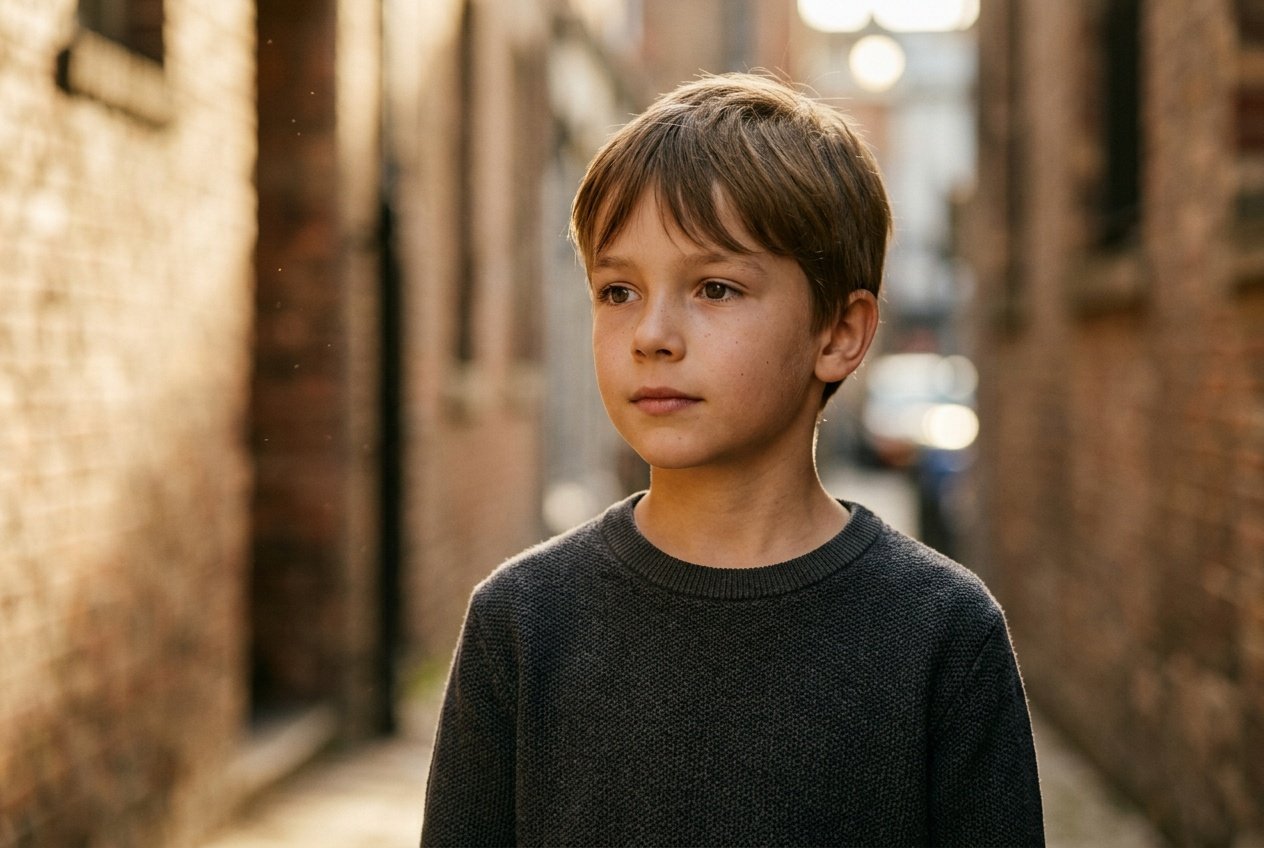
Prompt for: Starting My Journey with AI Image Generation
Structured Image Prompt — Starting My Journey with AI Image Generation
{
  "subject": {
    "pose": {
      "head_position": "slight turn away from lens",
      "body_position": "standing naturally",
      "energy": "contemplative and calm"
    }
  },
  "attire": {
    "top": {
      "item": "charcoal crewneck sweater",
      "color": "dark grey",
      "texture": "cotton",
      "fit": "relaxed"
    }
  },
  "environment": {
    "setting": "urban alleyway",
    "background": {
      "type": "blurred city architecture",
      "color": "warm earth tones",
      "texture": "brick",
      "depth": "shallow bokeh"
    },
    "props": [
      "faint brick texture wall",
      "distant street light flare",
      "soft floor dust motes"
    ]
  },
  "photography": {
    "style": "cinematic film portrait",
    "shot_scale": "medium close-up",
    "lighting": {
      "type": "natural golden hour",
      "source": "side-lit sun",
      "details": "soft highlights and gentle shadows"
    },
    "camera_gear": {
      "lens": "85mm Prime",
      "aperture": "f/1.8",
      "focus": "eyes",
      "iso": "100"
    },
    "post_processing": {
      "look": "film grade",
      "grading": "warm cinematic"
    }
  },
  "aesthetic_fidelity": {
    "medium": "Digital Photography",
    "vibe": "authentic and warm",
    "visual_qualities": [
      "film grain",
      "soft bokeh",
      "natural skin tone"
    ]
  },
  "constraints": {
    "must_keep": [
      "uploaded person's face and identity",
      "natural features from uploaded photo",
      "user's skin tone",
      "user's expression"
    ],
    "avoid": [
      "distorted face",
      "changed identity",
      "over-exposed",
      "cartoon style"
    ]
  },
  "negative_prompt": [
    "painting",
    "drawing",
    "bad hands",
    "blurry",
    "fake looking",
    "low quality",
    "saturated",
    "cartoon"
  ]
}
Structuring Your Prompts for Better Results
One thing I’ve learned is that being descriptive helps the model understand my vision. When I write a gemini ai prompt boy, I focus on the setting, the light, and the mood rather than just describing the person.
Building the perfect descriptive prompt
Start with the subject: I always define the subject clearly first, like “a boy standing in a park at sunset.”
Add lighting details: Mentioning “soft, diffused morning light” or “sharp directional sunlight” changes the entire outcome.
Define the mood: I use words like “thoughtful,” “playful,” or “serious” to guide the output.
Technical context: I include style keywords like “cinematic,” “35mm film,” or “portrait photography” to get that professional look.
I find that when I treat the prompt gemini boys request like a creative brief, the results are far more consistent. What I do is refine these lines until I get exactly what I need.
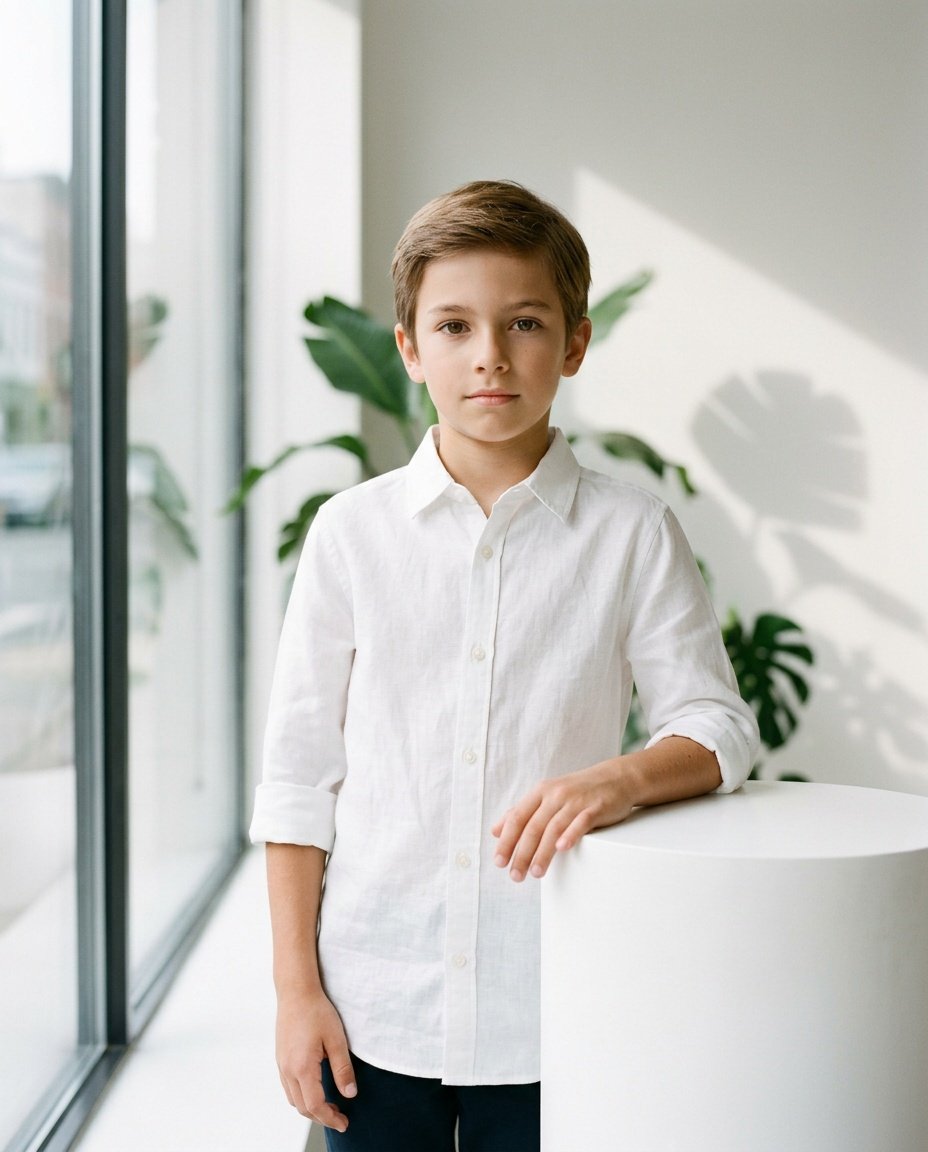
Prompt for: Structuring Your Prompts for Better Results
Structured Image Prompt — Structuring Your Prompts for Better Results
{
  "subject": {
    "pose": {
      "head_position": "straight to camera",
      "body_position": "standing near pedestal",
      "energy": "calm and poised"
    }
  },
  "attire": {
    "top": {
      "item": "linen button-down",
      "color": "white",
      "texture": "linen",
      "fit": "tailored"
    }
  },
  "environment": {
    "setting": "minimalist studio",
    "background": {
      "type": "neutral white wall",
      "color": "white",
      "texture": "smooth",
      "depth": "bright and open"
    },
    "props": [
      "white pedestal",
      "plant shadow on wall",
      "large window reflection"
    ]
  },
  "photography": {
    "style": "editorial portrait",
    "shot_scale": "medium shot",
    "lighting": {
      "type": "diffused daylight",
      "source": "large window",
      "details": "soft even wrap-around"
    },
    "camera_gear": {
      "lens": "50mm Prime",
      "aperture": "f/2.8",
      "focus": "sharp focus on face",
      "iso": "100"
    },
    "post_processing": {
      "look": "clean high-key",
      "grading": "neutral bright"
    }
  },
  "aesthetic_fidelity": {
    "medium": "Digital Photography",
    "vibe": "sophisticated and clean",
    "visual_qualities": [
      "crisp detail",
      "high key exposure",
      "natural lighting"
    ]
  },
  "constraints": {
    "must_keep": [
      "uploaded person's face and identity",
      "natural features from uploaded photo",
      "user's skin tone",
      "user's expression"
    ],
    "avoid": [
      "distorted face",
      "changed identity",
      "over-exposed",
      "cartoon style"
    ]
  },
  "negative_prompt": [
    "painting",
    "drawing",
    "bad hands",
    "blurry",
    "fake looking",
    "low quality",
    "saturated",
    "cartoon"
  ]
}
Adjusting Styles for Younger Looks
When I am working on the best prompt for gemini ai baby boy style, I focus more on softer lighting and playful elements. The model reacts really well to cues about environment, like “sunny nursery” or “playing with blocks.”
Finding the right style
Keep it simple: Avoid overly complex words; focus on the atmosphere.
Mention the environment: Always describe the setting in detail.
Use soft lighting: Soft, warm light always produces better results than harsh artificial light.
Action verbs: Describe what the person is doing, not just how they look.
I’ve found that Nano Banana handles these requests effectively. It gives me a range of options just by changing one or two adjectives in my prompt.
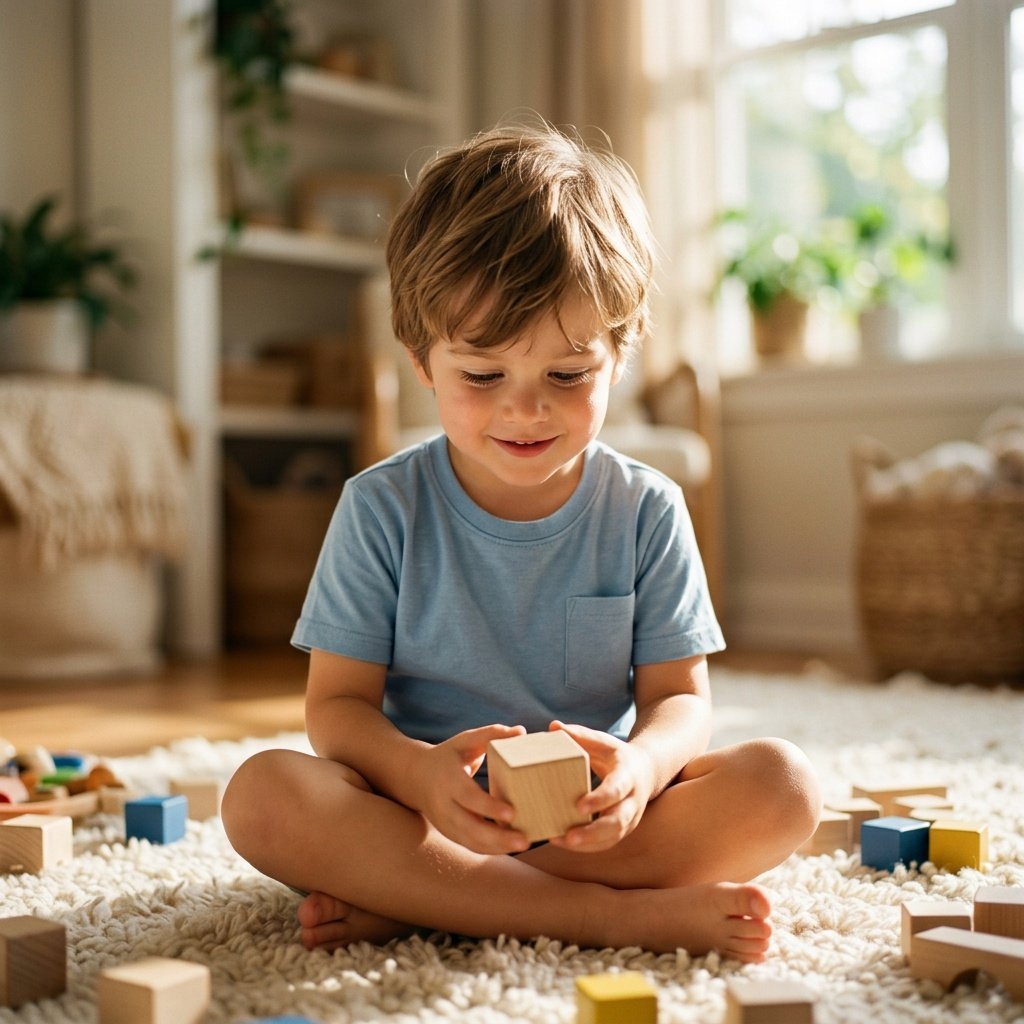
Prompt for: Adjusting Styles for Younger Looks
Structured Image Prompt — Adjusting Styles for Younger Looks
{
  "subject": {
    "pose": {
      "head_position": "looking down at toy",
      "body_position": "sitting on floor",
      "energy": "playful and gentle"
    }
  },
  "attire": {
    "top": {
      "item": "cotton t-shirt",
      "color": "light blue",
      "texture": "soft cotton",
      "fit": "comfortable"
    }
  },
  "environment": {
    "setting": "living room floor",
    "background": {
      "type": "blurred home interior",
      "color": "warm neutrals",
      "texture": "plush rug",
      "depth": "soft blur"
    },
    "props": [
      "wooden blocks",
      "soft rug texture",
      "sunlight flare"
    ]
  },
  "photography": {
    "style": "lifestyle photography",
    "shot_scale": "medium close-up",
    "lighting": {
      "type": "warm soft morning light",
      "source": "window",
      "details": "gentle glow"
    },
    "camera_gear": {
      "lens": "35mm Prime",
      "aperture": "f/2.0",
      "focus": "eyes",
      "iso": "200"
    },
    "post_processing": {
      "look": "warm lifestyle grade",
      "grading": "soft warm"
    }
  },
  "aesthetic_fidelity": {
    "medium": "Digital Photography",
    "vibe": "happy and gentle",
    "visual_qualities": [
      "warm tones",
      "creamy bokeh",
      "natural focus"
    ]
  },
  "constraints": {
    "must_keep": [
      "uploaded person's face and identity",
      "natural features from uploaded photo",
      "user's skin tone",
      "user's expression"
    ],
    "avoid": [
      "distorted face",
      "changed identity",
      "over-exposed",
      "cartoon style"
    ]
  },
  "negative_prompt": [
    "painting",
    "drawing",
    "bad hands",
    "blurry",
    "fake looking",
    "low quality",
    "saturated",
    "cartoon"
  ]
}
Creating Mood and Depth
Sometimes I want a more serious vibe. When I’m trying to create a sad prompt for gemini boy, I lean into cooler tones and lower light settings.
Achieving a moody aesthetic
Cool color palette: Use blue, gray, or muted tones.
Shadow play: Ask for low-key lighting or shadows that obscure part of the face.
Quiet atmosphere: Words like “solitary,” “quiet,” or “pensive” really change the results.
This gemini prompt boys approach works wonders for storytelling. I’ve noticed that the gemini ai photo prompt for boy settings are incredibly flexible when I tweak these details, helping me craft a specific narrative in each image.
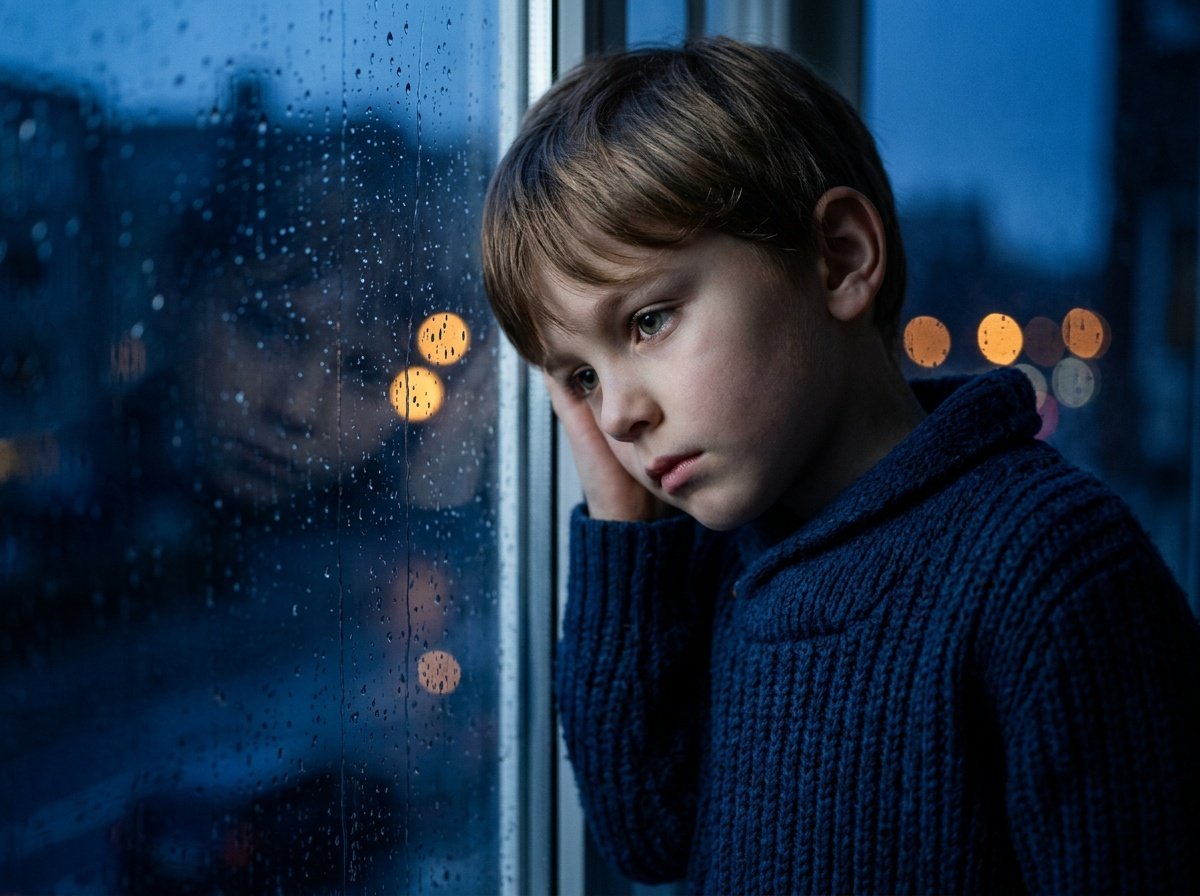
Prompt for: Creating Mood and Depth
Structured Image Prompt — Creating Mood and Depth
{
  "subject": {
    "pose": {
      "head_position": "leaning on window",
      "body_position": "standing",
      "energy": "pensive and calm"
    }
  },
  "attire": {
    "top": {
      "item": "wool sweater",
      "color": "navy",
      "texture": "chunky knit",
      "fit": "oversized"
    }
  },
  "environment": {
    "setting": "rainy window at night",
    "background": {
      "type": "dark blurry city",
      "color": "dark blue and amber",
      "texture": "rain streaks",
      "depth": "deep bokeh"
    },
    "props": [
      "raindrops on glass",
      "window frame",
      "distant street lights"
    ]
  },
  "photography": {
    "style": "cinematic moody portrait",
    "shot_scale": "close-up",
    "lighting": {
      "type": "cool blue moonlight",
      "source": "window",
      "details": "soft shadows on face"
    },
    "camera_gear": {
      "lens": "85mm Prime",
      "aperture": "f/1.4",
      "focus": "eyes",
      "iso": "800"
    },
    "post_processing": {
      "look": "cinematic grade",
      "grading": "cool blues"
    }
  },
  "aesthetic_fidelity": {
    "medium": "Digital Photography",
    "vibe": "moody and pensive",
    "visual_qualities": [
      "low light",
      "cool tones",
      "rich textures"
    ]
  },
  "constraints": {
    "must_keep": [
      "uploaded person's face and identity",
      "natural features from uploaded photo",
      "user's skin tone",
      "user's expression"
    ],
    "avoid": [
      "distorted face",
      "changed identity",
      "over-exposed",
      "cartoon style"
    ]
  },
  "negative_prompt": [
    "painting",
    "drawing",
    "bad hands",
    "blurry",
    "fake looking",
    "low quality",
    "saturated",
    "cartoon"
  ]
}
Capturing Group Interactions
When I need a gemini photo prompt boy involving more than one person, I focus on the connection between them. A good gemini prompt boys photo describes them interacting, like “two friends sharing a secret” or “laughing together.”
Focus on eye contact: It makes the image feel real.
Shared activity: Give them something to hold or do.
Natural setting: A park or cafe feels more authentic than a blank background.
I just paste my prompt into the Gemini app and Nano Banana handles the composition. It makes creating natural-looking shots much easier than staging a photo from scratch.
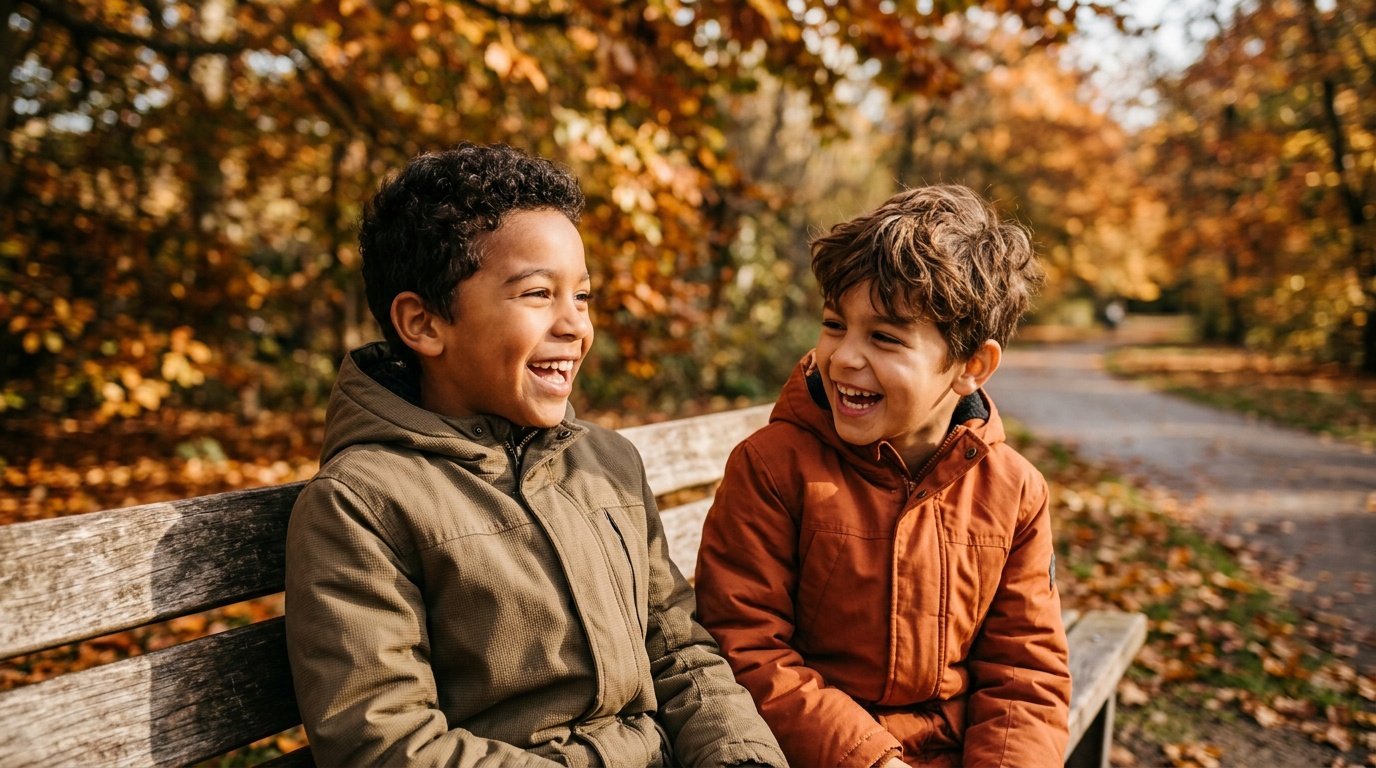
Prompt for: Capturing Group Interactions
Structured Image Prompt — Capturing Group Interactions
{
  "subject": {
    "pose": {
      "head_position": "turned towards each other",
      "body_position": "sitting on bench",
      "energy": "joyous"
    }
  },
  "attire": {
    "top": {
      "item": "hooded jacket",
      "color": "earth tones",
      "texture": "synthetic",
      "fit": "casual"
    }
  },
  "environment": {
    "setting": "autumn park",
    "background": {
      "type": "blurred trees",
      "color": "golden orange",
      "texture": "leaves",
      "depth": "deep bokeh"
    },
    "props": [
      "wooden bench",
      "dappled light",
      "autumn foliage"
    ]
  },
  "photography": {
    "style": "documentary photography",
    "shot_scale": "medium shot",
    "lighting": {
      "type": "bright natural light",
      "source": "sunlight",
      "details": "dappled shadows"
    },
    "camera_gear": {
      "lens": "50mm Prime",
      "aperture": "f/2.0",
      "focus": "eyes",
      "iso": "100"
    },
    "post_processing": {
      "look": "natural",
      "grading": "warm autumn"
    }
  },
  "aesthetic_fidelity": {
    "medium": "Digital Photography",
    "vibe": "candid and joyful",
    "visual_qualities": [
      "vibrant colors",
      "natural blur",
      "sharp focus"
    ]
  },
  "constraints": {
    "must_keep": [
      "uploaded person's face and identity",
      "natural features from uploaded photo",
      "user's skin tone",
      "user's expression"
    ],
    "avoid": [
      "distorted face",
      "changed identity",
      "over-exposed",
      "cartoon style"
    ]
  },
  "negative_prompt": [
    "painting",
    "drawing",
    "bad hands",
    "blurry",
    "fake looking",
    "low quality",
    "saturated",
    "cartoon"
  ]
}
Final Thoughts on Prompting
I have found that the more specific I am, the better my results. It’s all about experimenting with different descriptions until I find that perfect balance of light and subject.
Now it is your turn to try it out. Open the Gemini app, paste your favorite prompt variations, and see what the Nano Banana model can do with your photos.
I’d love to know which style you like best. Are you into the moody, dark shots or the bright, lifestyle portraits?
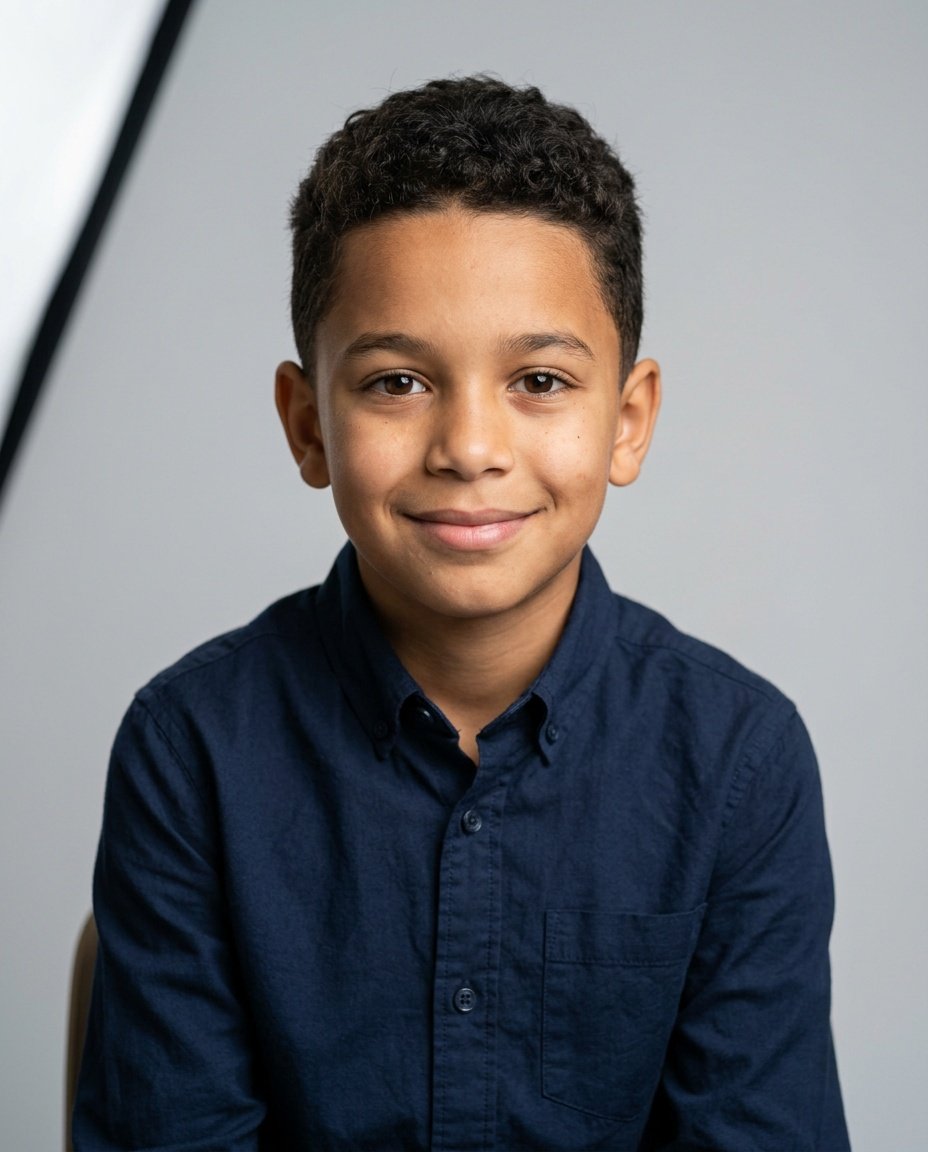
Prompt for: Final Thoughts on Prompting
Structured Image Prompt — Final Thoughts on Prompting
{
  "subject": {
    "pose": {
      "head_position": "facing forward",
      "body_position": "sitting or standing",
      "energy": "confident"
    }
  },
  "attire": {
    "top": {
      "item": "collared shirt",
      "color": "navy",
      "texture": "cotton",
      "fit": "professional"
    }
  },
  "environment": {
    "setting": "studio",
    "background": {
      "type": "studio backdrop",
      "color": "light gray",
      "texture": "smooth",
      "depth": "flat"
    },
    "props": [
      "studio light",
      "backdrop"
    ]
  },
  "photography": {
    "style": "professional portrait",
    "shot_scale": "headshot",
    "lighting": {
      "type": "soft studio lighting",
      "source": "softbox",
      "details": "even highlights"
    },
    "camera_gear": {
      "lens": "85mm Prime",
      "aperture": "f/4.0",
      "focus": "eyes",
      "iso": "100"
    },
    "post_processing": {
      "look": "professional",
      "grading": "neutral"
    }
  },
  "aesthetic_fidelity": {
    "medium": "Digital Photography",
    "vibe": "polished and professional",
    "visual_qualities": [
      "sharp detail",
      "even lighting",
      "clean background"
    ]
  },
  "constraints": {
    "must_keep": [
      "uploaded person's face and identity",
      "natural features from uploaded photo",
      "user's skin tone",
      "user's expression"
    ],
    "avoid": [
      "distorted face",
      "changed identity",
      "over-exposed",
      "cartoon style"
    ]
  },
  "negative_prompt": [
    "painting",
    "drawing",
    "bad hands",
    "blurry",
    "fake looking",
    "low quality",
    "saturated",
    "cartoon"
  ]
}
❓ Frequently Asked Questions About gemini ai photo prompt for boy
Can I use any gemini ai photo prompt for boy on my phone?
▼
Yes, you can use any gemini ai photo prompt for boy directly in the Gemini app on Android or iOS. It works seamlessly to transform your photos using the Nano Banana model.
Where can I find the best prompt for gemini ai baby boy style?
▼
The best prompt for gemini ai baby boy style involves describing the setting, soft natural lighting, and a playful mood. Focus on simple, evocative language rather than overly technical terms.
How do I make a sad prompt for gemini boy look realistic?
▼
To make a sad prompt for gemini boy look realistic, use descriptors like ‘cool tones,’ ‘dim light,’ and ‘pensive expression.’ These cues help the AI understand the mood you want to capture.
Is it hard to use a gemini prompt boys photo generator?
▼
It is quite simple to use a gemini prompt boys photo tool; you just upload your photo and provide a descriptive text prompt. The model does the rest of the work automatically.
Do I need technical skills to use a prompt gemini boys?
▼
No technical skills are required to use a prompt gemini boys request; the system is designed to understand natural language. Just describe the look you want as if you were talking to a photographer.