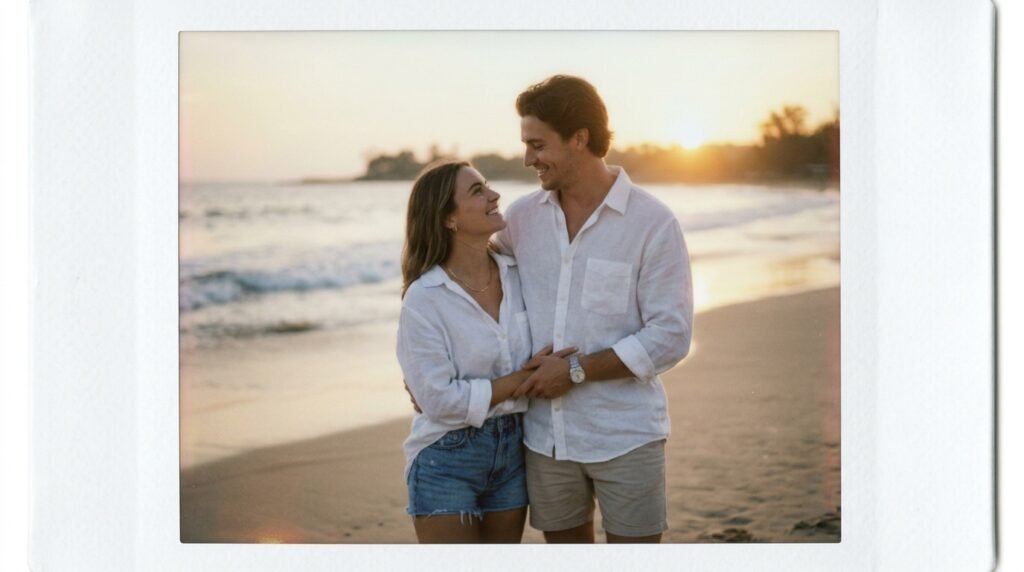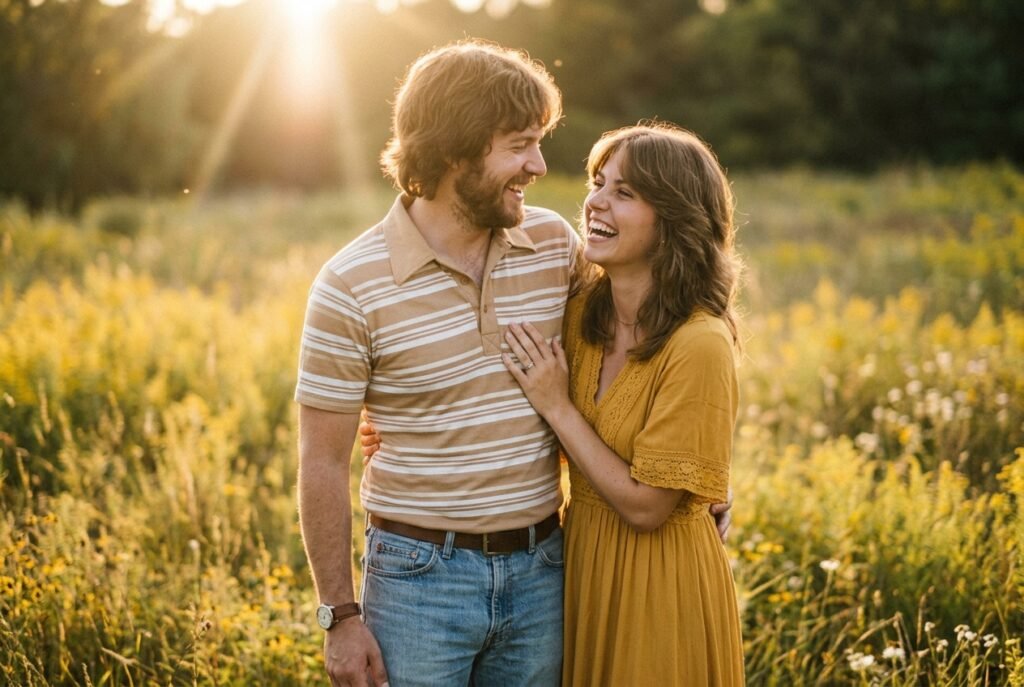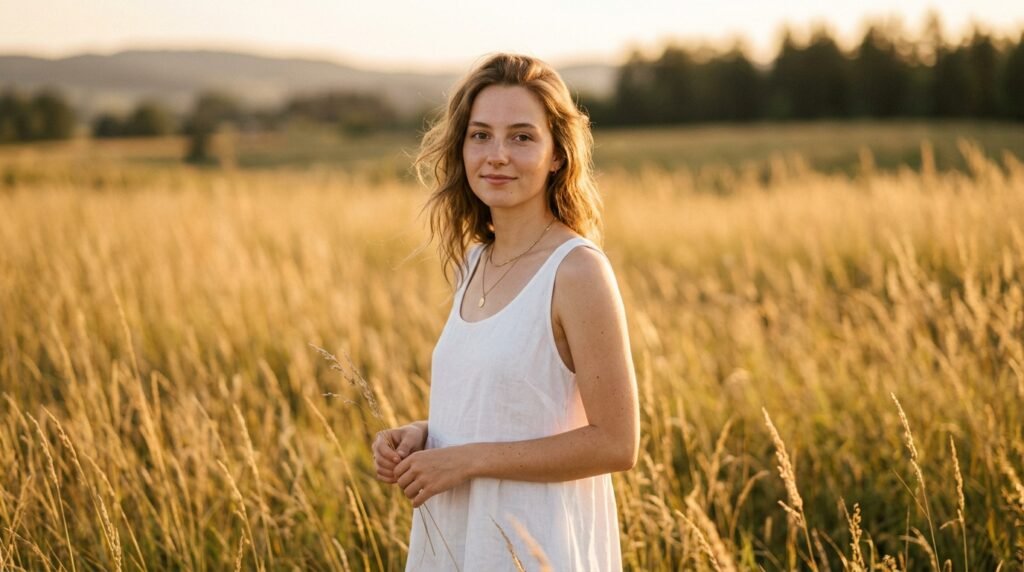
My Approach to Image Generation
I’ve spent months testing what actually works for generating portraits. Getting a solid result with a google gemini photo prompt for girl depends entirely on the descriptors you choose, not just the subject matter.
My go-to model is Gemini Nano Banana. It is consistent and handles my requests whether I use the web interface or the Gemini app on my phone.
When I first started, I used to write short sentences, but I quickly realized that specific, textural language produces much higher quality. Nano Banana thrives when you describe the light and the mood instead of just the person.
Start Simple: I always begin with the setting, then add the lighting, and finish with the style.
Be Observant: I look at photos I like and describe them out loud to myself before typing.
Test Often: If the output is off, I change one variable, like the time of day, and try again.
Stay Patient: Some results take a few iterations to get the skin texture right.
Trust the Model: Nano Banana is surprisingly good at picking up on subtle atmospheric cues.
What kind of vibe are you aiming to produce with your next session?
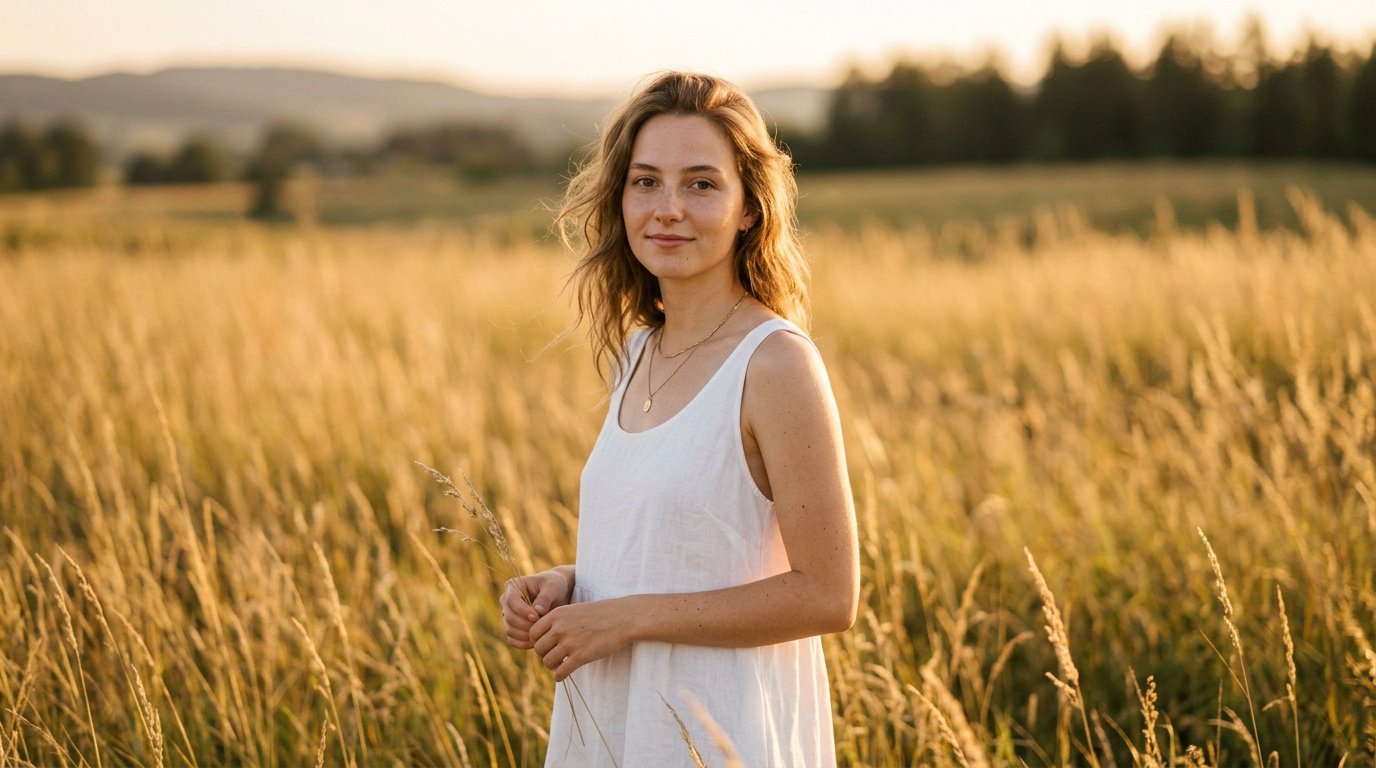
Prompt for: My Approach to Image Generation
Structured Image Prompt — My Approach to Image Generation
{
  "subject": {
    "pose": {
      "head_position": "slightly turned",
      "body_position": "standing",
      "energy": "relaxed"
    }
  },
  "attire": {
    "top": {
      "item": "linen sundress",
      "color": "white",
      "texture": "linen",
      "fit": "flowing"
    },
    "accessories": [
      "delicate gold necklace"
    ]
  },
  "environment": {
    "setting": "golden field",
    "background": {
      "type": "nature",
      "color": "golden and warm",
      "texture": "tall grass",
      "depth": "shallow"
    },
    "props": [
      "field grass"
    ]
  },
  "photography": {
    "style": "editorial portrait",
    "shot_scale": "medium shot",
    "lighting": {
      "type": "natural golden hour",
      "source": "low sun",
      "details": "soft highlights on hair"
    },
    "camera_gear": {
      "lens": "85mm Prime",
      "aperture": "f/2.0",
      "focus": "sharp on eyes",
      "iso": "100"
    },
    "post_processing": {
      "look": "film grain",
      "grading": "warm"
    }
  },
  "aesthetic_fidelity": {
    "medium": "Digital Photography",
    "vibe": "dreamy",
    "visual_qualities": [
      "soft lighting",
      "film texture",
      "shallow depth"
    ]
  },
  "constraints": {
    "must_keep": [
      "uploaded person's face and identity",
      "natural features from uploaded photo",
      "user's skin tone",
      "user's expression"
    ],
    "avoid": [
      "distorted face",
      "changed identity",
      "over-exposed",
      "cartoon style"
    ]
  },
  "negative_prompt": [
    "painting",
    "drawing",
    "bad hands",
    "blurry",
    "fake looking",
    "low quality",
    "saturated",
    "cartoon"
  ]
}
Finding Unique Concepts
I usually start by brainstorming simple concepts. When I search for google gemini prompt ideas for girls, I look for lighting and fabric texture rather than just describing the person.
It’s better to focus on the environment. If I want a moody shot, I describe the rain against a window or the neon glow of a city street.
Building Better Visual Narratives
Focus on Texture: Describe the clothes, like ‘heavy wool’ or ‘sheer silk’, to get better results.
Use Time Context: Adding ‘dusk’ or ‘high noon’ changes how Nano Banana interprets the light.
Define Perspective: I often say ‘from a low angle’ or ‘shot over the shoulder’ to change the composition.
Keep it Human: Avoid robotic terms like ‘hyper-realistic’ and stick to photographer-style descriptions.
Layer Details: Start with the main subject, then add one environmental detail per line.
What kind of environment are you picturing today?
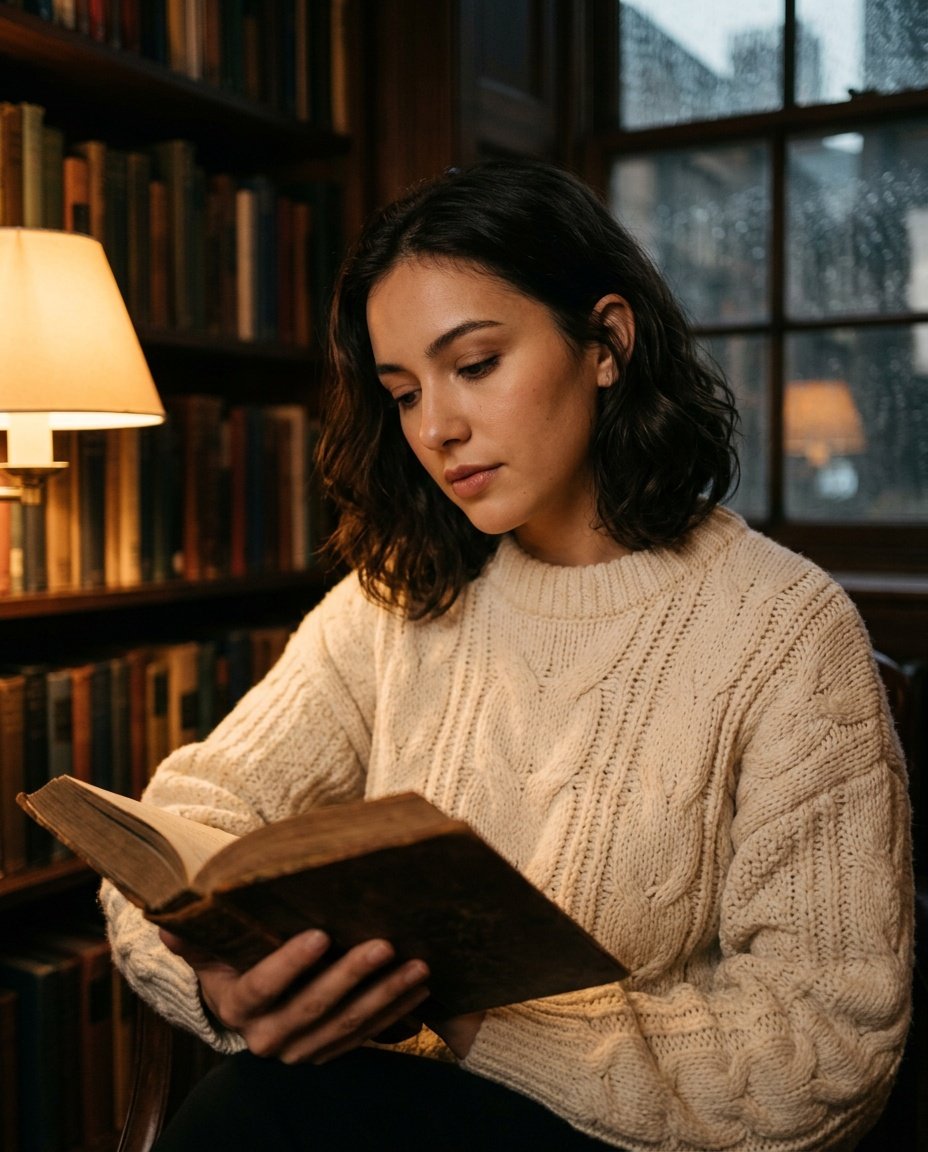
Prompt for: Finding Unique Concepts
Structured Image Prompt — Finding Unique Concepts
{
  "subject": {
    "pose": {
      "head_position": "looking down",
      "body_position": "sitting",
      "energy": "thoughtful"
    }
  },
  "attire": {
    "top": {
      "item": "cable knit sweater",
      "color": "cream",
      "texture": "wool",
      "fit": "oversized"
    },
    "accessories": [
      "vintage book"
    ]
  },
  "environment": {
    "setting": "library nook",
    "background": {
      "type": "shelves",
      "color": "dark wood",
      "texture": "books",
      "depth": "blurred"
    },
    "props": [
      "table lamp",
      "open book",
      "rainy window"
    ]
  },
  "photography": {
    "style": "moody portrait",
    "shot_scale": "close-up",
    "lighting": {
      "type": "tungsten warm",
      "source": "desk lamp",
      "details": "soft side lighting"
    },
    "camera_gear": {
      "lens": "50mm Prime",
      "aperture": "f/1.8",
      "focus": "sharp on eyes",
      "iso": "800"
    },
    "post_processing": {
      "look": "cinematic",
      "grading": "warm"
    }
  },
  "aesthetic_fidelity": {
    "medium": "Digital Photography",
    "vibe": "cozy",
    "visual_qualities": [
      "moody lighting",
      "depth of field",
      "rich textures"
    ]
  },
  "constraints": {
    "must_keep": [
      "uploaded person's face and identity",
      "natural features from uploaded photo",
      "user's skin tone",
      "user's expression"
    ],
    "avoid": [
      "distorted face",
      "changed identity",
      "over-exposed",
      "cartoon style"
    ]
  },
  "negative_prompt": [
    "painting",
    "drawing",
    "bad hands",
    "blurry",
    "fake looking",
    "low quality",
    "saturated",
    "cartoon"
  ]
}
Styling Portraits with Nano Banana
I’ve played around with various aesthetics to see what works best. Sometimes I want a specific high-fashion vibe, so I’ll try a hot girl photo prompt for gemini that focuses on dramatic, studio-quality lighting.
If I am looking for something different, I adjust a hot girls prompt for gemini to prioritize soft-focus backgrounds and natural daylight. It’s amazing how much the wording shifts the model’s output.
Perfecting Studio-Style Lighting
Contrast is King: I often ask for ‘sharp, defined shadows’ to create more dimension in the face.
Color Grade: Adding terms like ‘split-tone’ or ‘desaturated’ changes the whole mood.
Pose Matters: I specify ‘leaning forward’ or ‘chin tilted up’ to give the model a sense of body language.
Fabric First: Mentioning the specific material, like ‘satin’ or ‘leather’, helps the generator create better highlights.
Keep it Natural: I avoid buzzwords; I describe the physical reality of the scene.
Have you tried using lighting descriptions to change your results?
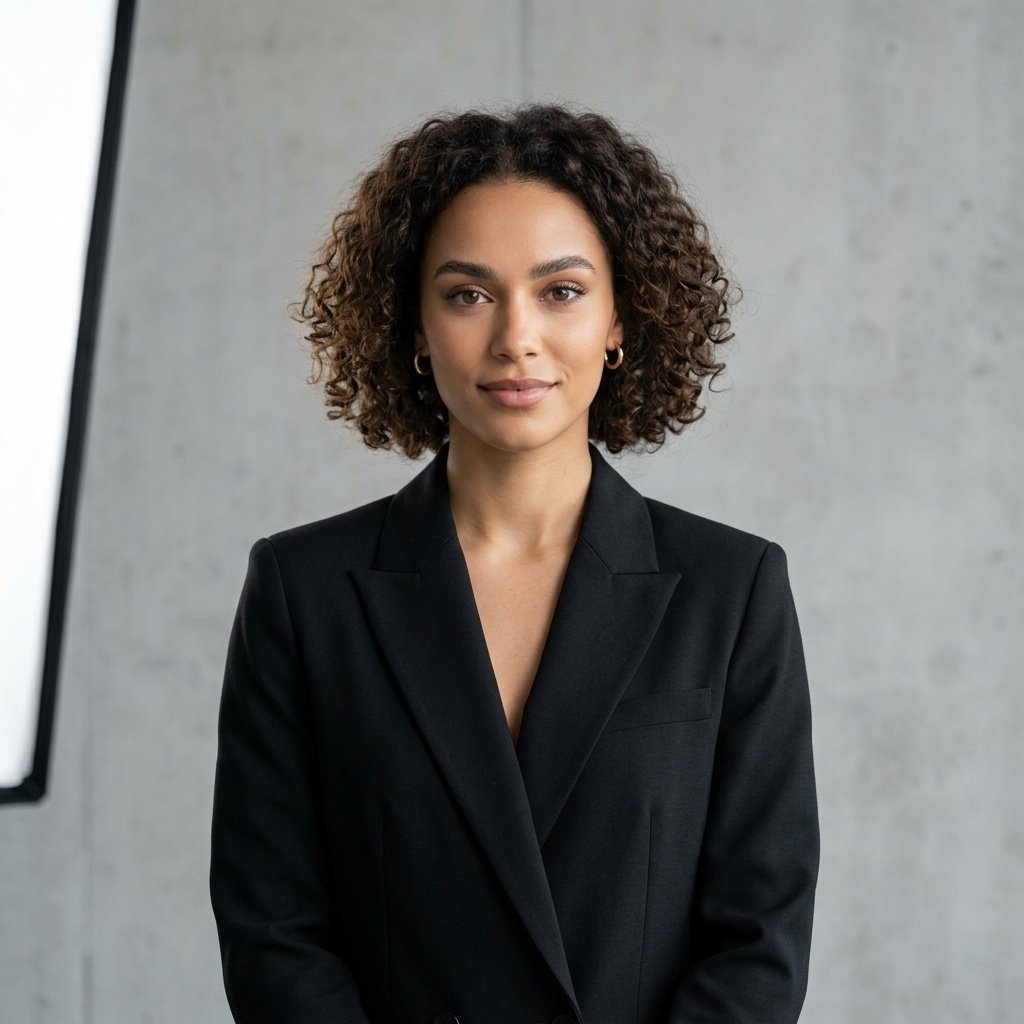
Prompt for: Styling Portraits with Nano Banana
Structured Image Prompt — Styling Portraits with Nano Banana
{
  "subject": {
    "pose": {
      "head_position": "facing forward",
      "body_position": "standing",
      "energy": "confident"
    }
  },
  "attire": {
    "top": {
      "item": "tailored blazer",
      "color": "black",
      "texture": "structured fabric",
      "fit": "fitted"
    },
    "accessories": [
      "minimalist earrings"
    ]
  },
  "environment": {
    "setting": "concrete studio",
    "background": {
      "type": "wall",
      "color": "gray",
      "texture": "concrete",
      "depth": "flat"
    },
    "props": [
      "softbox lighting"
    ]
  },
  "photography": {
    "style": "high-fashion",
    "shot_scale": "portrait",
    "lighting": {
      "type": "softbox",
      "source": "side",
      "details": "even gradients"
    },
    "camera_gear": {
      "lens": "100mm Prime",
      "aperture": "f/4.0",
      "focus": "sharp on eyes",
      "iso": "100"
    },
    "post_processing": {
      "look": "high-key",
      "grading": "neutral"
    }
  },
  "aesthetic_fidelity": {
    "medium": "Digital Photography",
    "vibe": "polished",
    "visual_qualities": [
      "crisp clarity",
      "even lighting",
      "professional finish"
    ]
  },
  "constraints": {
    "must_keep": [
      "uploaded person's face and identity",
      "natural features from uploaded photo",
      "user's skin tone",
      "user's expression"
    ],
    "avoid": [
      "distorted face",
      "changed identity",
      "over-exposed",
      "cartoon style"
    ]
  },
  "negative_prompt": [
    "painting",
    "drawing",
    "bad hands",
    "blurry",
    "fake looking",
    "low quality",
    "saturated",
    "cartoon"
  ]
}
Refining Your Photo Editing Prompts
Learning how to make gemini ai photo prompt for girls was mostly trial and error for me. I discovered that photo editing prompts gemini for girls need to be incredibly descriptive about the atmosphere.
It’s the difference between a flat image and a professional shot. That’s why my custom google gemini photo prompt for girl usually includes specific details about the fabric, the lens, and the direction of the light.
Tips for Better Editing Results
Descriptive Verbs: Instead of ‘make it bright’, I write ‘add warm sunlight coming from the left’.
Layered Prompts: I specify the foreground, mid-ground, and background separately for better depth.
Natural Language: I write my prompts like I am giving instructions to a human photographer.
Check the Edges: I make sure to define the background so the model doesn’t invent random objects.
Avoid Superlatives: I stick to physical descriptions like ‘soft’ or ‘hard’ instead of ‘perfect’.
What is the main thing you want to change in your photo?
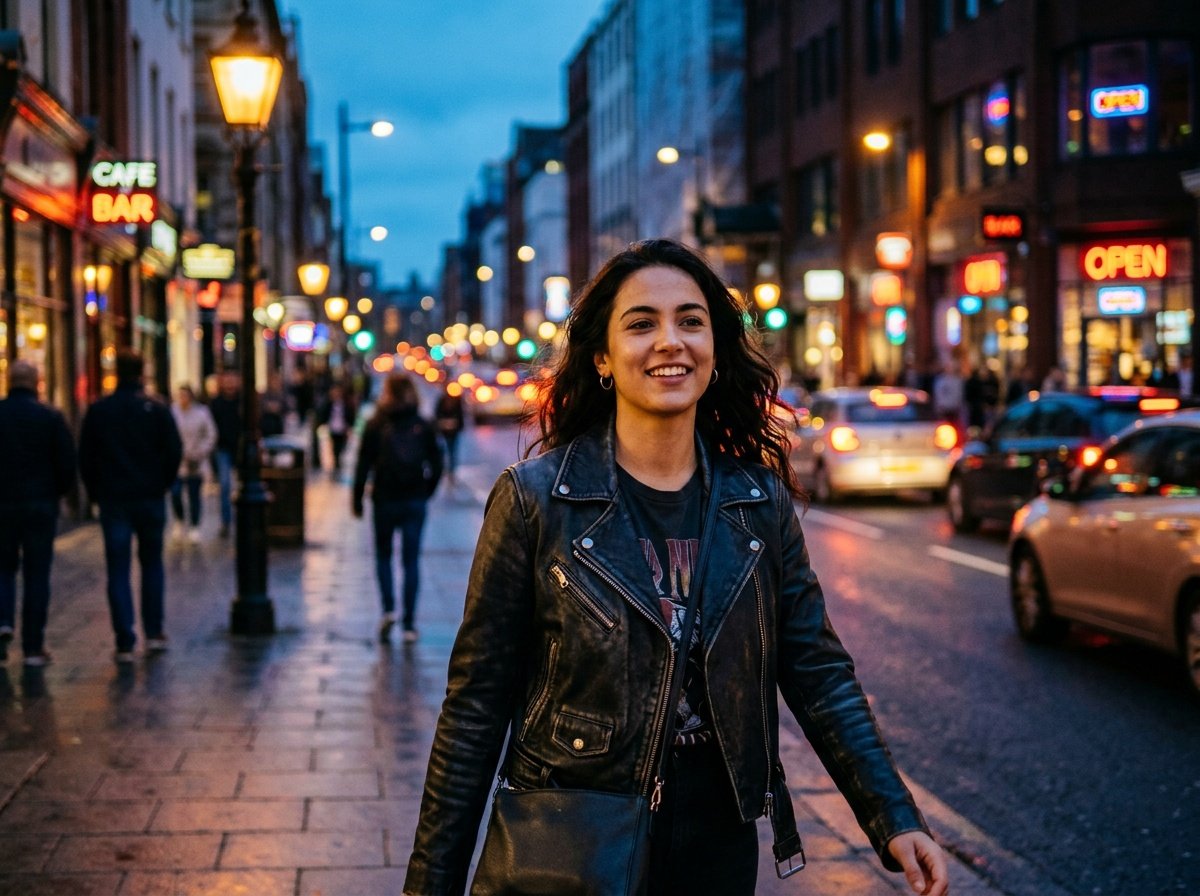
Prompt for: Refining Your Photo Editing Prompts
Structured Image Prompt — Refining Your Photo Editing Prompts
{
  "subject": {
    "pose": {
      "head_position": "turned slightly",
      "body_position": "walking",
      "energy": "candid"
    }
  },
  "attire": {
    "top": {
      "item": "leather jacket",
      "color": "black",
      "texture": "leather",
      "fit": "stylish"
    },
    "accessories": [
      "t-shirt"
    ]
  },
  "environment": {
    "setting": "city street",
    "background": {
      "type": "urban",
      "color": "mixed",
      "texture": "blurred lights",
      "depth": "deep"
    },
    "props": [
      "streetlamp",
      "neon signs",
      "sidewalk"
    ]
  },
  "photography": {
    "style": "street photography",
    "shot_scale": "medium shot",
    "lighting": {
      "type": "mixed lighting",
      "source": "streetlights and dusk",
      "details": "soft highlights"
    },
    "camera_gear": {
      "lens": "35mm Prime",
      "aperture": "f/1.4",
      "focus": "sharp on subject",
      "iso": "1600"
    },
    "post_processing": {
      "look": "urban",
      "grading": "cool and warm"
    }
  },
  "aesthetic_fidelity": {
    "medium": "Digital Photography",
    "vibe": "electric",
    "visual_qualities": [
      "bokeh effect",
      "vibrant colors",
      "motion blur"
    ]
  },
  "constraints": {
    "must_keep": [
      "uploaded person's face and identity",
      "natural features from uploaded photo",
      "user's skin tone",
      "user's expression"
    ],
    "avoid": [
      "distorted face",
      "changed identity",
      "over-exposed",
      "cartoon style"
    ]
  },
  "negative_prompt": [
    "painting",
    "drawing",
    "bad hands",
    "blurry",
    "fake looking",
    "low quality",
    "saturated",
    "cartoon"
  ]
}
Learning and Evolving
I remember reading about the indian girl gemini ai controversy, and it really reminded me why being specific with your prompts is vital. People want accurate and representative results, and using vague terms can lead to output you didn’t intend.
When I write my google gemini prompts for girls, I make sure to include enough context to help the Nano Banana model understand exactly what I need. It’s all about clear communication.
Be Precise: If I want a specific style, I describe the photography genre rather than using generic adjectives.
Check Your Context: I ensure that the surroundings match the mood I am trying to convey.
Iterate: I don’t settle for the first result; I tweak words if the output isn’t right.
Diverse Thinking: I consider how different lighting and angles change the identity and feel of the photo.
Personal Touch: I keep my own photo as the reference so the model has a consistent base to work from.
Do you adjust your prompts often?
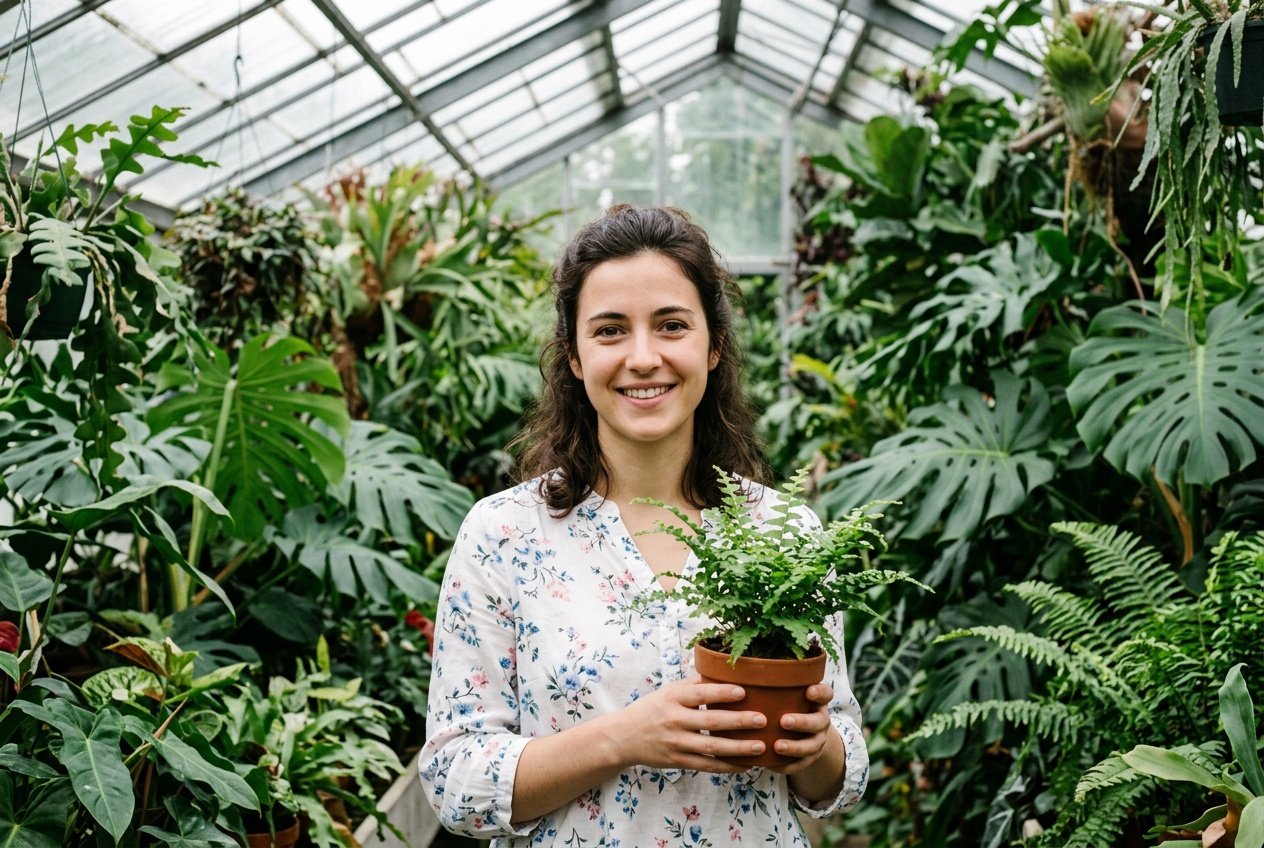
Prompt for: Learning and Evolving
Structured Image Prompt — Learning and Evolving
{
  "subject": {
    "pose": {
      "head_position": "upright",
      "body_position": "standing",
      "energy": "fresh"
    }
  },
  "attire": {
    "top": {
      "item": "blouse",
      "color": "light with floral",
      "texture": "cotton",
      "fit": "casual"
    },
    "accessories": [
      "potted plant"
    ]
  },
  "environment": {
    "setting": "greenhouse",
    "background": {
      "type": "plants",
      "color": "green",
      "texture": "leaves",
      "depth": "deep"
    },
    "props": [
      "ferns",
      "potted plant"
    ]
  },
  "photography": {
    "style": "natural portrait",
    "shot_scale": "medium shot",
    "lighting": {
      "type": "diffused natural",
      "source": "glass roof",
      "details": "even glow"
    },
    "camera_gear": {
      "lens": "50mm Prime",
      "aperture": "f/2.8",
      "focus": "sharp on face",
      "iso": "200"
    },
    "post_processing": {
      "look": "vibrant",
      "grading": "natural"
    }
  },
  "aesthetic_fidelity": {
    "medium": "Digital Photography",
    "vibe": "vibrant",
    "visual_qualities": [
      "soft lighting",
      "natural colors",
      "crisp detail"
    ]
  },
  "constraints": {
    "must_keep": [
      "uploaded person's face and identity",
      "natural features from uploaded photo",
      "user's skin tone",
      "user's expression"
    ],
    "avoid": [
      "distorted face",
      "changed identity",
      "over-exposed",
      "cartoon style"
    ]
  },
  "negative_prompt": [
    "painting",
    "drawing",
    "bad hands",
    "blurry",
    "fake looking",
    "low quality",
    "saturated",
    "cartoon"
  ]
}
Your Turn to Create
You really have to experiment to find what feels right for your aesthetic. Next time you craft a google gemini photo prompt for girl, just open the Gemini app on your phone or web browser and paste your details.
Nano Banana is surprisingly good at following complex instructions, so don’t be afraid to add extra descriptive words. It handles the rendering quickly, leaving you with more time to focus on your next idea.
Go ahead and try it with your own photo. You might be surprised at how much detail it catches from your original shot. Which style are you going to test first?
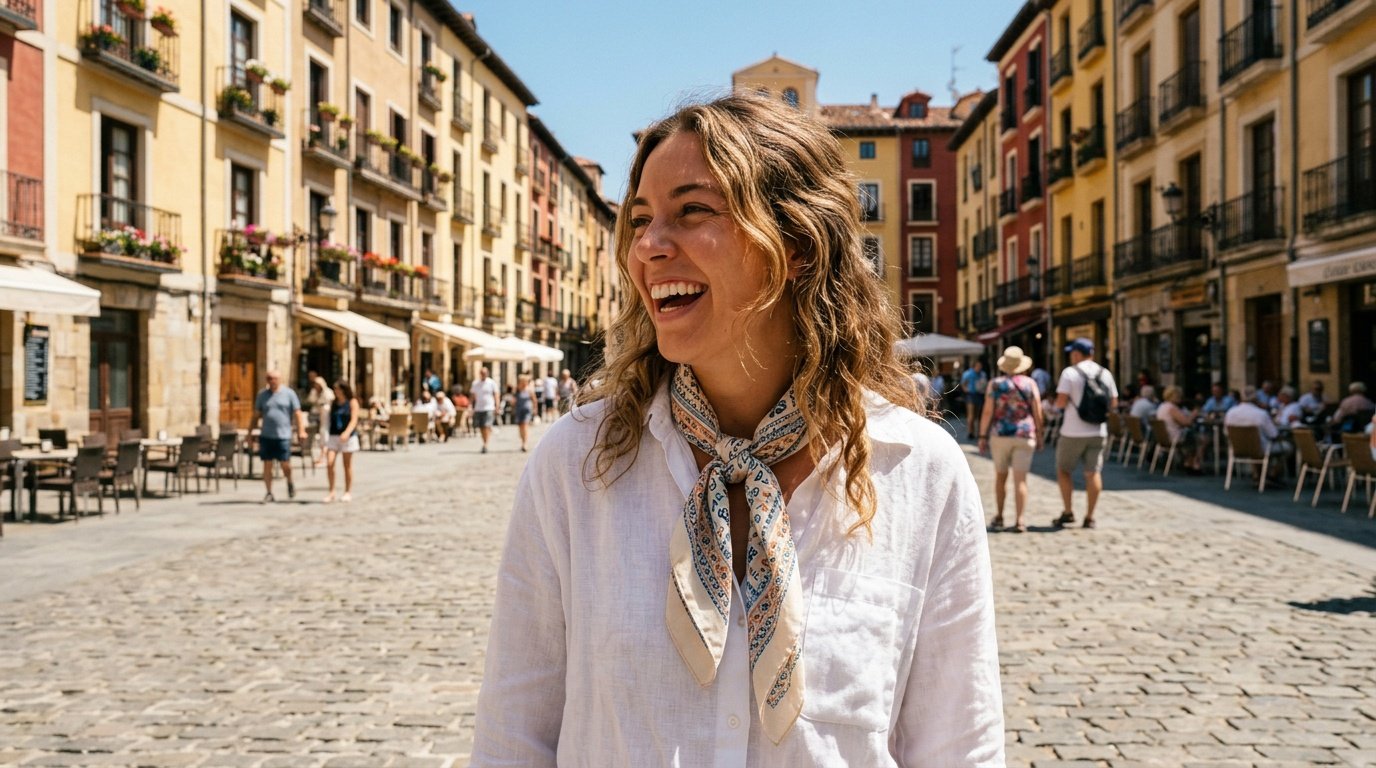
Prompt for: Your Turn to Create
Structured Image Prompt — Your Turn to Create
{
  "subject": {
    "pose": {
      "head_position": "turned away",
      "body_position": "standing",
      "energy": "joyful"
    }
  },
  "attire": {
    "top": {
      "item": "linen shirt",
      "color": "white",
      "texture": "linen",
      "fit": "loose"
    },
    "accessories": [
      "scarf"
    ]
  },
  "environment": {
    "setting": "European plaza",
    "background": {
      "type": "architecture",
      "color": "colorful",
      "texture": "cobblestone",
      "depth": "deep"
    },
    "props": [
      "old buildings",
      "cobblestones"
    ]
  },
  "photography": {
    "style": "travel photography",
    "shot_scale": "medium long shot",
    "lighting": {
      "type": "midday sun",
      "source": "sun",
      "details": "sharp highlights"
    },
    "camera_gear": {
      "lens": "35mm Prime",
      "aperture": "f/5.6",
      "focus": "sharp on subject",
      "iso": "100"
    },
    "post_processing": {
      "look": "warm",
      "grading": "natural"
    }
  },
  "aesthetic_fidelity": {
    "medium": "Digital Photography",
    "vibe": "adventurous",
    "visual_qualities": [
      "sharp detail",
      "high contrast",
      "bright colors"
    ]
  },
  "constraints": {
    "must_keep": [
      "uploaded person's face and identity",
      "natural features from uploaded photo",
      "user's skin tone",
      "user's expression"
    ],
    "avoid": [
      "distorted face",
      "changed identity",
      "over-exposed",
      "cartoon style"
    ]
  },
  "negative_prompt": [
    "painting",
    "drawing",
    "bad hands",
    "blurry",
    "fake looking",
    "low quality",
    "saturated",
    "cartoon"
  ]
}
❓ Frequently Asked Questions About google gemini photo prompt for girl
What is the best way to write a google gemini photo prompt for girl?
▼
The best approach is to be highly descriptive about the lighting, clothing, and environment. When using a google gemini photo prompt for girl, avoid vague terms and focus on specific visual details to guide the Nano Banana model effectively.
Are there specific google gemini prompt ideas for girls that yield better portraits?
▼
Yes, many successful google gemini prompt ideas for girls focus on environmental context like ‘warm sunset lighting’ or ‘minimalist studio background.’ Combining these setting details with your own photo usually gives the best results.
Can I use google gemini prompts for girls to change my outfit in a photo?
▼
Absolutely, using specific google gemini prompts for girls to describe the clothing material and style is very effective. Nano Banana is great at applying these details when the prompt clearly defines the fabric and fit.
How do photo editing prompts gemini for girls handle lighting changes?
▼
When using photo editing prompts gemini for girls, you should explicitly describe the direction and quality of light, such as ‘side-lit’ or ‘soft diffused glow.’ This provides the model with the necessary cues to adjust the image realistically.
What should I do if a hot girl photo prompt for gemini doesn’t look right?
▼
If a hot girl photo prompt for gemini yields unexpected results, check your description for clarity or tone down complex modifiers. Often, simplifying your prompt by focusing on one key environmental detail helps the model refine the output.